Adyen
Merchant Risk & Automation
Designing onboarding, compliance, and internal systems at scale
At Adyen, I worked on products operating in highly regulated, risk-sensitive environments, where accuracy, compliance, and efficiency directly impact merchants, platforms, and internal teams.
My work focused on simplifying complex onboarding and review processes, improving data reliability, and supporting both external users and internal risk teams through clear flows and automation. This included designing Hosted Onboarding for merchants, building tools for Periodic Risk Reviews, and contributing to internal task management systems that reduced manual work and operational overhead.
Together, these projects aimed to reduce friction, improve data accuracy, and support regulatory compliance at scale, while automating repetitive tasks and enabling internal teams to focus their time and expertise on higher-risk, higher-impact cases.
Hosted Onboarding
Context
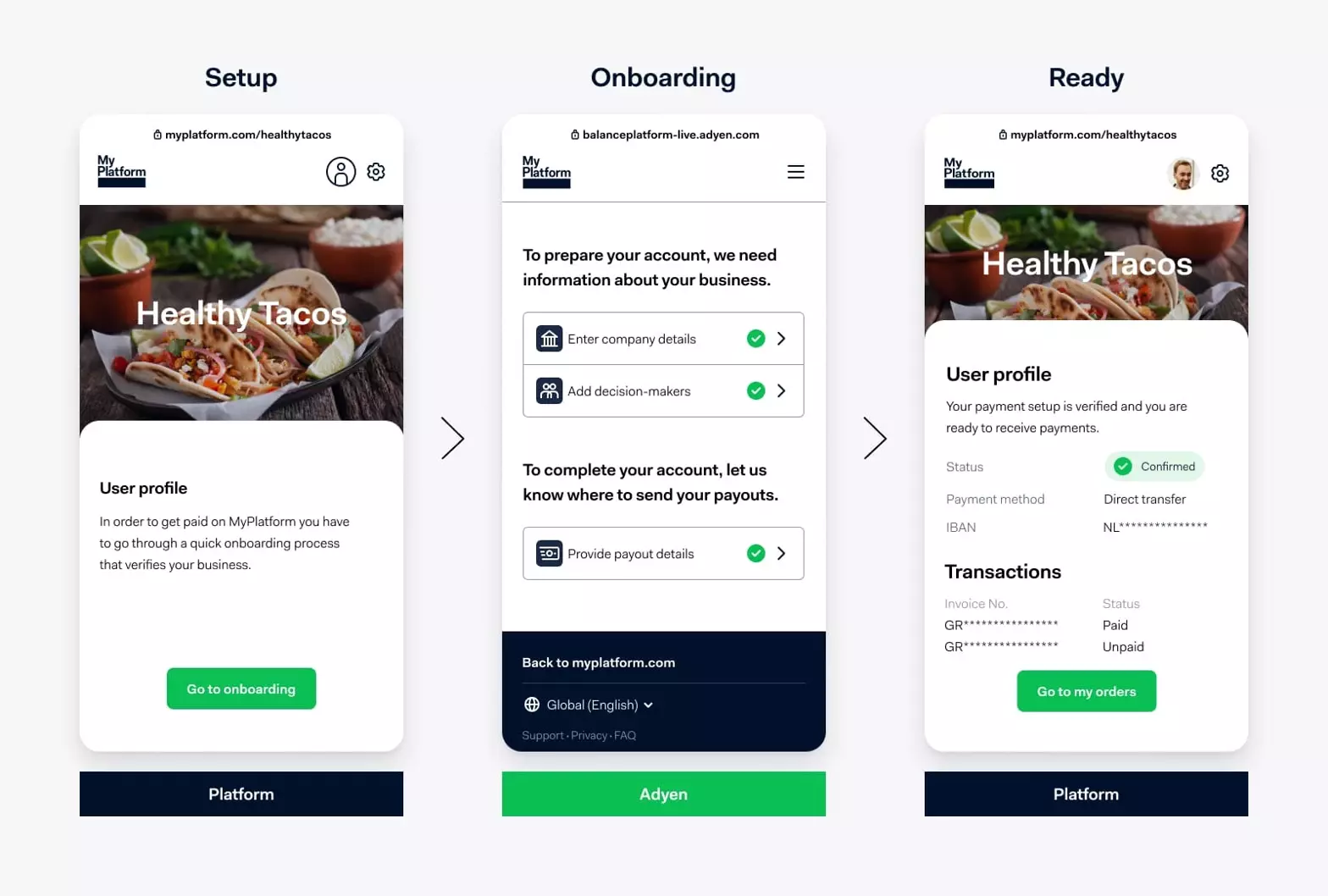
Hosted Onboarding is the merchant onboarding flow used by platforms to onboard new merchants into the Adyen ecosystem. The process needs to handle a wide range of scenarios, from individuals to complex organizations, across different countries and regulatory frameworks.
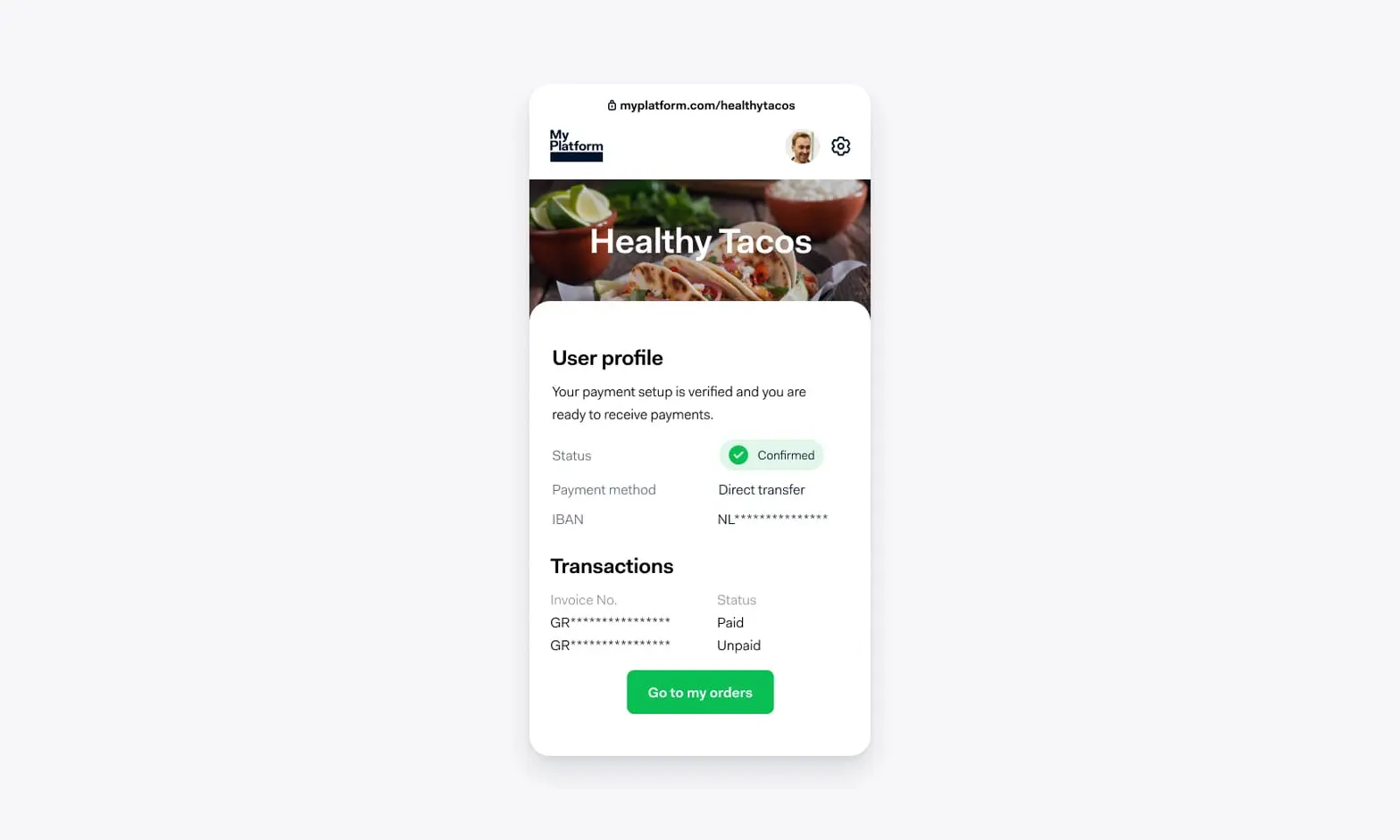
Because onboarding determines whether a merchant can start processing payments and receiving payouts, accuracy and compliance are critical. Incorrect or incomplete information can lead to delays, blocked payouts, or increased operational overhead for internal teams.
The problem
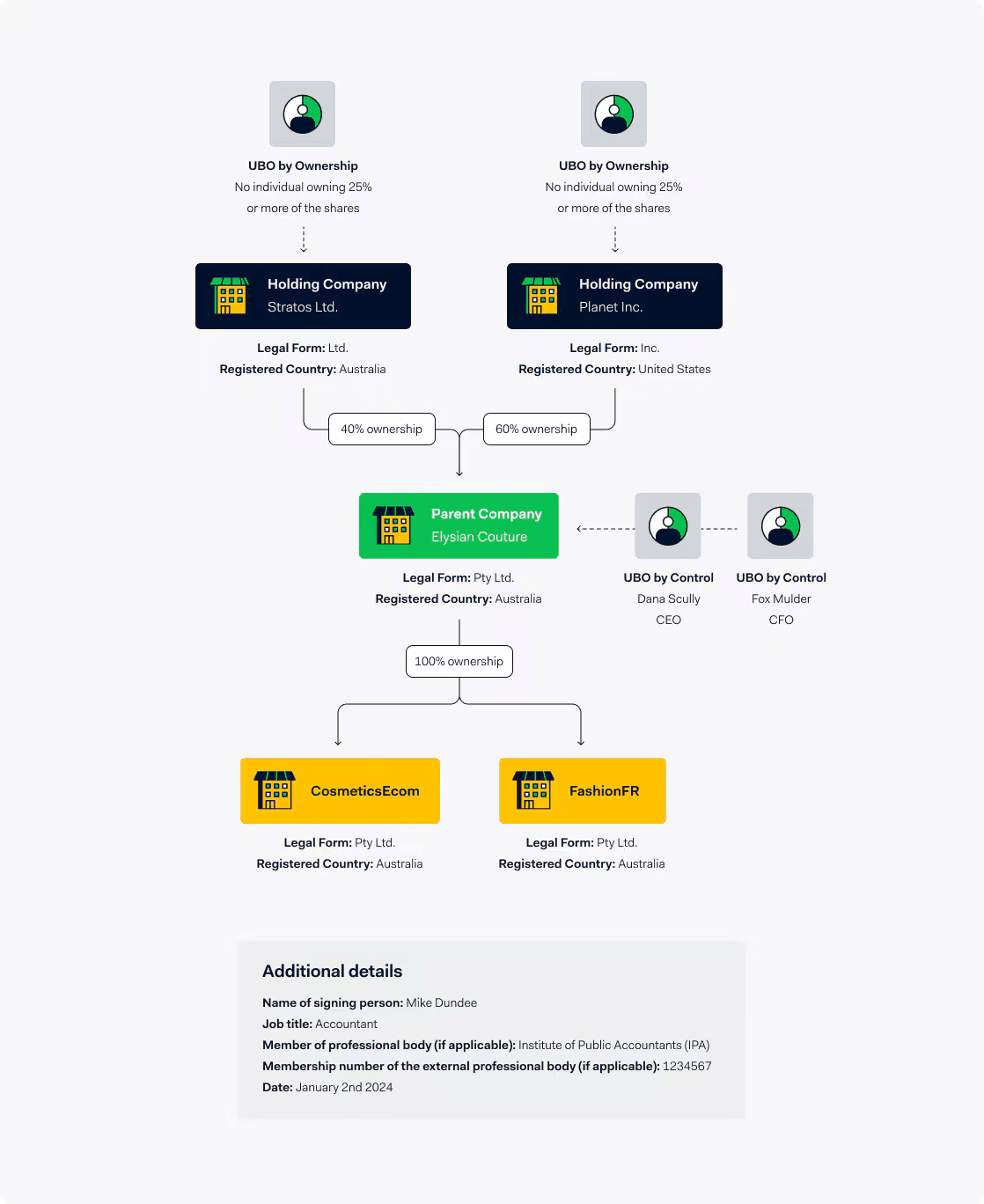
The onboarding journey was complex and highly variable. Requirements differed based on merchant type, geography, and the financial products involved. Roles and permissions within merchant accounts added further complexity, as different users were allowed to view or update different pieces of sensitive information.
As a result, onboarding could become error prone, hard to understand for merchants, and costly to support internally when information was missing, outdated, or incorrect.
My role
I worked as a product designer within the Hosted Onboarding team, focusing on simplifying the onboarding experience while ensuring regulatory requirements were met.
My responsibilities included:
Designing and refining onboarding flows for different merchant, roles and platform configurations
Structuring complex information and requirements into clear, step by step journeys
Collaborating closely with product managers, engineers, and compliance stakeholders
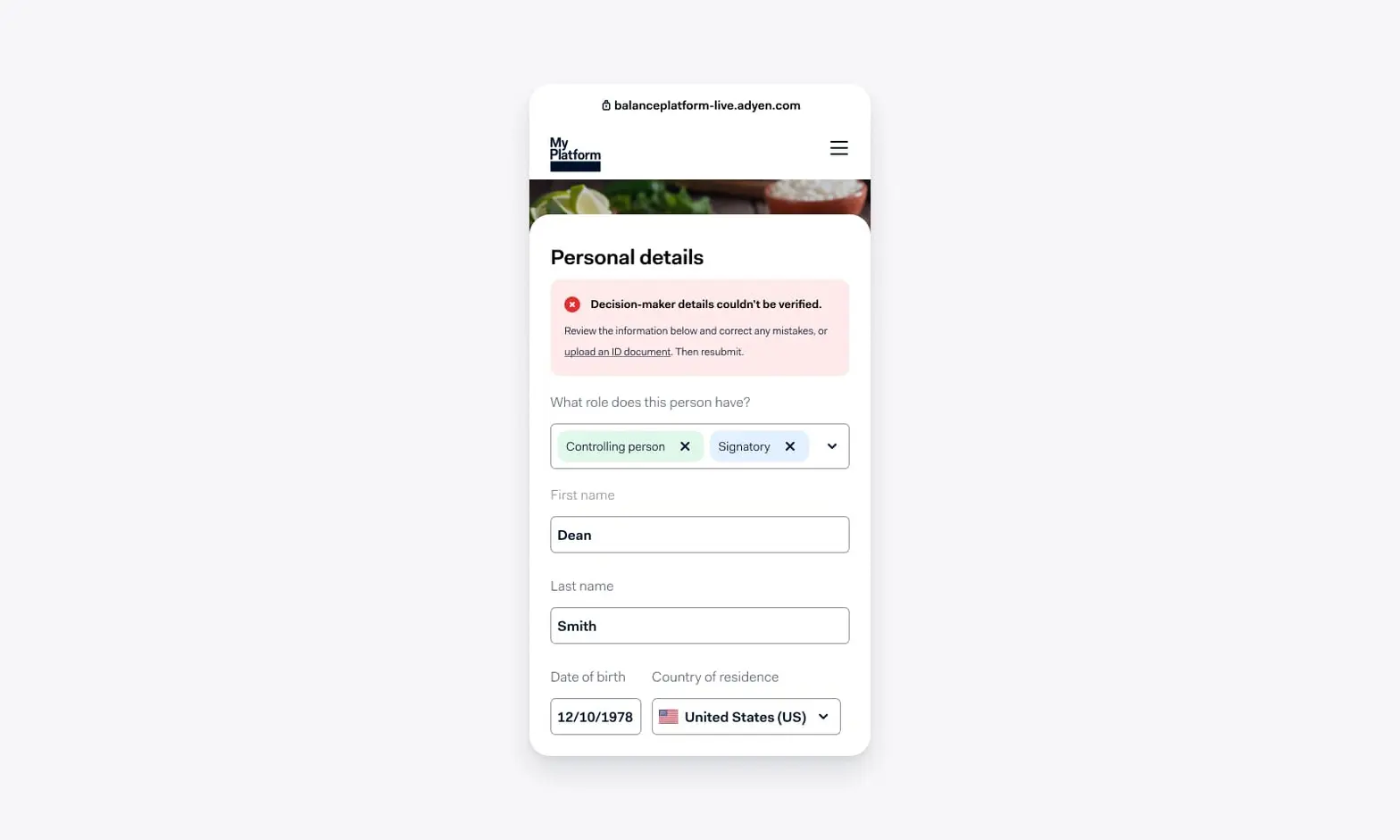
Ensuring roles, permissions, and responsibilities were clearly reflected in the user experience
The work required careful balancing between usability, flexibility, and strict compliance constraints.
Solution
We designed a tailored onboarding experience that adapts to the merchant’s specific situation. The flow dynamically guides users through only the steps relevant to them, reducing unnecessary complexity while ensuring all required information is collected.
Clear guidance, validation, and feedback were built into the flow to help merchants understand what was required, why it was needed, and what impact it had on their ability to go live. This reduced confusion, errors, and reliance on support.
Outcome
Hosted Onboarding improved the quality and reliability of merchant data entering the platform and reduced friction for both merchants and internal teams. By structuring complex requirements into understandable flows, the onboarding process became more predictable, scalable, and easier to maintain as regulations evolved.
Customer Risk Review | Periodic Risk Reviews
Context
Financial products require ongoing compliance. At Adyen, one of the core compliance processes was the Periodic Risk Review, a review cycle where merchants were asked to confirm and update their legal entity and ownership information to meet international financial regulations. This review assessed the Know Your Customer (KYC) data collected during onboarding and ensured it stayed accurate and up-to-date.
Problem
The challenge was two-fold:
Merchants often provided correct data at onboarding but would later operate with outdated or incomplete profiles, risking compliance issues and operational friction.
Internal risk teams needed a clear, efficient way to monitor, surface, and act on reviews of this data, reducing manual effort and focusing on truly high-risk cases.
My role
I worked on making the Periodic Risk Review process more efficient for both internal risk teams and merchants. This involved aligning with multiple stakeholders to understand the compliance requirements, merchant behaviour patterns, and the various conditions under which a periodic review could be triggered.
Where possible, I leveraged the existing Hosted Onboarding model (including how roles and entity data were surfaced) to reduce context switching for users, and designed flows that made it easier for merchants to confirm or correct data when a review was required.
I also collaborated with internal risk teams to define what quality and completion looked like in the interface, ensuring that tools supported their workflow rather than added cognitive load.
Solution
Rather than reinventing the wheel, we extended the merchant experience created in Hosted Onboarding and connected it to the periodic review lifecycle:
Merchants received actionable prompts when periodic reviews were due, guiding them through the same familiar verification flow used during onboarding.
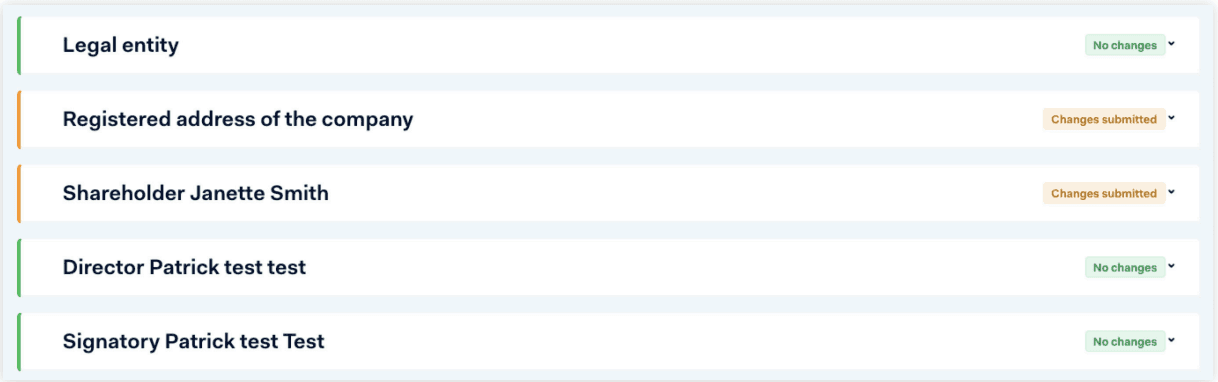
The interface clearly highlighted which sections required confirmation or updates, reducing ambiguity and improving completion rates.
Behind the scenes, webhook notifications and status updates helped internal systems track and automate review progress.
This reduced repetitive support interactions for merchant teams and provided a consistent, reliable experience that aligned with Adyen’s compliance obligations.
Outcome
The period risk review tooling helped internal risk reviewers focus their time where it mattered most, investigating and acting on genuinely incomplete or high-risk cases, instead of spending cycles chasing outdated or missing data. By designing flows that reused familiar onboarding patterns, merchants were more likely to complete their periodic checks quickly and accurately, reducing interruption and supporting ongoing compliance.
This part of the platform was essential in maintaining regulatory adherence across a broad range of merchant types and regions, especially where legal entity and ownership structures were complex or frequently changing.